Introduction
Skill gaps are a common occurrence in one’s employment journey. They do not necessarily result from intentional mistakes or overlooked aspects of work. The skills required for one job may differ from those required for another. Before addressing a skill gap, it is important to identify the specific skills you need to learn.

Identifying Skills for Training by Analyzing Job Descriptions

When searching for job opportunities, it’s important to identify the skills you need to improve upon. One effective method is to review the job description and highlight any tools or technologies that you’re not yet familiar with.
To identify the skills that need to be improved, I usually highlight tools or technologies mentioned in a job description (either digitally or on paper) as a first step. This provides a great opportunity to learn new skills and close any gaps in my knowledge. This technique works best when you take time to read the job description carefully and identify areas where you can improve your skills.
Identify Unanswered Questions from Job Interviews
After a job interview, it’s important to do a brain dump while your memory is still fresh. Keep a pen and paper handy to jot down any questions you were unable to answer. These questions highlight the biggest knowledge gaps in your skill set. Make a list of these questions and break them down into manageable categories to work on. It’s important to address these knowledge gaps in order to improve your chances of success in future interviews.
Not All Skill Gaps Are Created Equal

After conducting a brain dump of our knowledge, we should categorize our skill gaps into sections such as generic, programming, authentication, security, project management, and any additional categories. Since a job is a combination of multiple skills, each category is not created equally. Depending on the role, the strength of each skill changes.
Skill gaps can be either hard skills or soft skills. During interviews, it is important to demonstrate both soft and hard skills. With advancements in technology, hard skills are becoming increasingly automatable compared to soft skills.
For example:
- Generic – Category
- Am I relaxed during the interview?
- Programming – Category
- How would I write a program on palindromes?
- Authentication – Category
- How does OAuth authentication work in a cloud configuration?
- Project Management – Category
- What are story points in agile?
Find Answers in a Visual Format
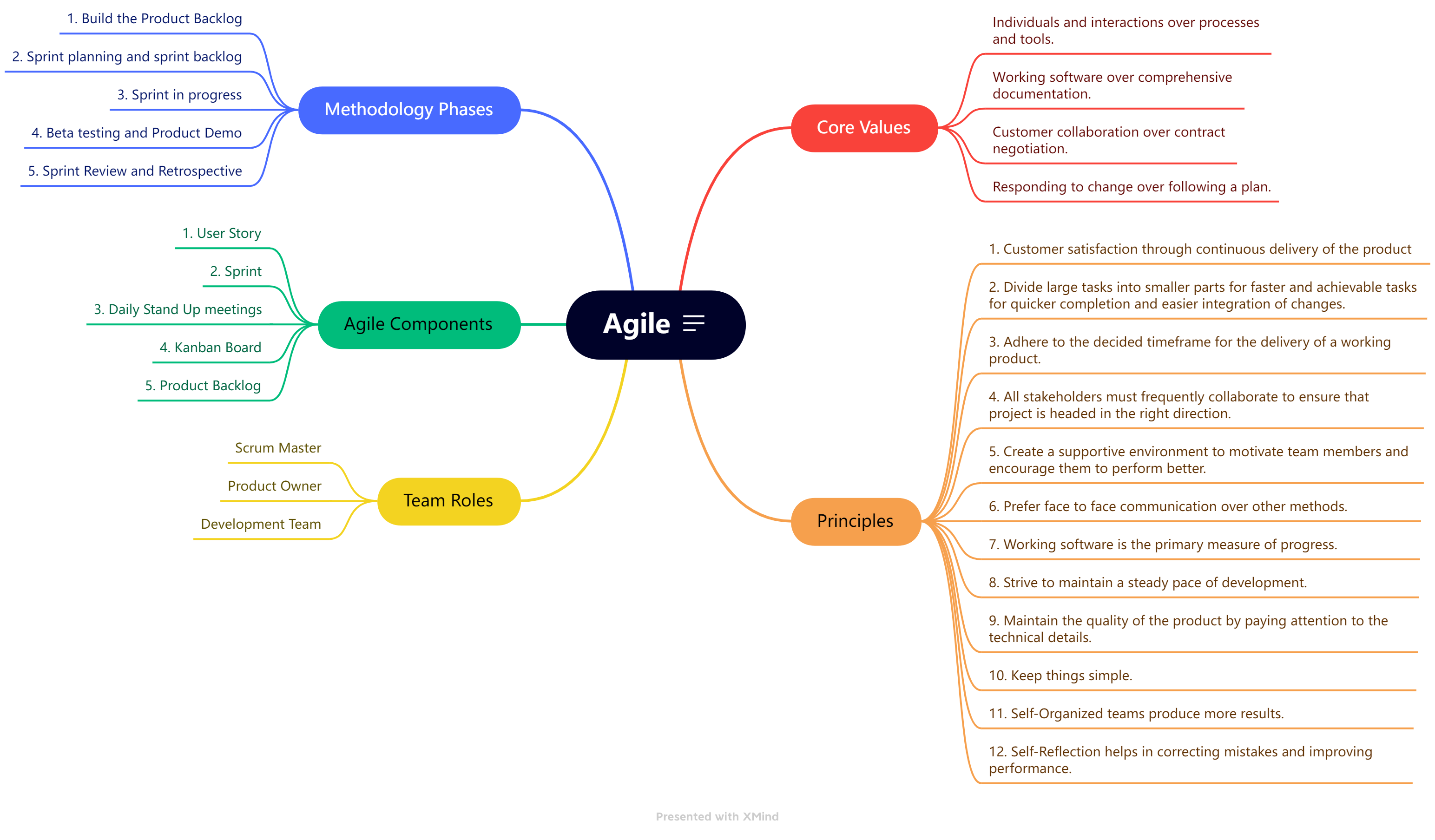
Typically, learning a subject in depth is a good approach to mastery. However, during times of layoffs or between jobs, time is a crucial factor that influences the route we should take. I find that storing answers in a visual format makes it much easier to recollect a concept than writing them in a textual format.
For example:
Conclusion
Conducting a skill gap analysis can help you grow in your current job and prepare for future roles. Periodically reviewing job descriptions and learning about new skills that are in demand in the market can also help you stay ready. As an employee, your biggest strength is the number of skills you have learned and can offer to the organization.
Do you have any recommended methods?
 Devakumar Sai Chinthala